
Introduction
Picking the right gaming console can make all the difference. Whether you’re into blockbuster 4K games, casual play, family‑friendly adventures, or portable gaming on the go — 2026 offers a strong lineup of consoles. In this post, we break down the top gaming consoles today, highlighting what each one does best, who it’s ideal for, and what to consider before buying.
🏆 Top Console Picks for 2026


Microsoft Xbox Series X 1TB
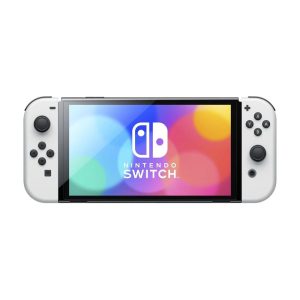
Nintendo Switch OLED Mario Edition


Here are some of the best consoles you could get in 2026 — each with a different strength:
Sony PlayStation 5 Digital Slim
Why it stands out: Widely regarded as the best all‑around console for many gamers — powerful hardware, great exclusive titles, and excellent 4K/Performance capability.
Pros: Strong exclusive games library, fast SSD loading, 4K + good performance, solid overall balance.
Cons / Considerations: Price is higher than entry-level consoles; digital‑only (if you get the Slim Digital edition), so no physical discs.
- Check Price
Microsoft Xbox Series X 1TB
Why it stands out: High raw power and excellent for 4K gaming; strong for users who want performance, backward compatibility, and a wide game catalog.
Pros: Great performance, flexible for many game genres, strong ecosystem with Game Pass + backwards compatibility.
Cons / Considerations: Game library and exclusives often overlap with other platforms — value depends on what games you care about.
- Check Price
Nintendo Switch OLED Mario Edition
Why it stands out: Perfect for portability and family‑friendly gaming. The hybrid format (handheld + docked) and Nintendo exclusives make it unique.
Pros: Portable gameplay, great for kids/families, strong Nintendo-exclusive titles, and flexible play modes (handheld, docked, tabletop).
Cons / Considerations: Less raw power compared to PS5/Xbox; not ideal for cutting‑edge graphics, performance‑heavy AAA titles.
- Check Price
Microsoft Xbox Series S
Why it stands out: A budget-friendly entry point into next-gen gaming. It offers good performance for its price and is ideal if you’re more price‑conscious or don’t need 4K.
Pros: Affordable, still plays new-gen games, compact size, good for casual or casual‑to‑mid gamers.
Cons / Considerations: Lower resolution/performance relative to premium consoles; may require compromises on graphics quality for newer games.
- Check Price
Valve Steam Deck OLED
Why it stands out: For gamers who value flexibility and portability — it brings PC-level gaming in handheld form. Great for indie games, older PC titles, and portability.
Pros: Portable PC-like gaming, access to large PC libraries (Steam etc.), flexibility, good for travel or casual gaming sessions.
Cons / Considerations: Not all AAA games optimized for handheld; smaller screen; performance varies depending on the game; requires some game‑compatibility checking.
- Check Price
Sony PlayStation 5 Pro
Why it stands out: If you want next‑level graphics and performance — cutting‑edge console hardware for serious gamers and future‑proof gaming.
Pros: High-end hardware, better performance for AAA + future titles, ideal for 4K/8K TVs and high‑refresh setups.
Cons / Considerations: Premium price; may be overkill for casual gamers; large investment vs smaller budgets.
- Check Price
Microsoft Xbox Series X Digital Edition 1TB
Why it stands out: Similar to the standard Series X but focusing on digital gaming — good if you prefer digital libraries and don’t need disc access.
Pros: Full power, digital convenience, often more affordable than models with disc drives.
Cons / Considerations: No physical disc support — everything is digital (download or stream).
- Check Price
ASUS ROG Xbox Ally X Portable Console
Why it stands out: A portable, Windows-based console/handheld that bridges PC and console gaming — good for tech-savvy or PC‑oriented gamers wanting mobility.
Pros: Portable PC gaming, wide game compatibility (PC games), flexibility, good for travel or gaming on the go.
Cons / Considerations: Requires some PC‑like management (updates, compatibility), potentially higher price, may draw more power than standard consoles.
- Check Price
✅ Quick Comparison Table
| Use Case / Player Type | Recommended Console |
|---|---|
| Balanced power + exclusives | PlayStation 5 Digital Slim / PS5 Pro |
| High-end graphics + performance | Xbox Series X / PS5 Pro |
| Budget-conscious gamers | Xbox Series S |
| Portability + family / casual gaming | Nintendo Switch OLED |
| PC games on the go | Steam Deck OLED / Xbox Ally X |
| Digital-only libraries | Xbox Series X Digital Edition |
| Hybrid PC/console portability | ASUS ROG Xbox Ally X |
🎯 How to Choose the Right Console for You
Budget & value: If you want decent gaming without overspending → go for Xbox Series S or Nintendo Switch OLED.
Graphical fidelity & AAA games: If you care about 4K, immersive graphics → PS5 Digital Slim, PS5 Pro, or Xbox Series X.
Portability or gaming on the go: Steam Deck OLED or Xbox Ally X are great for travel or flexible gaming setups.
Game library & exclusives: Sony and Xbox have different exclusive titles — choose based on the games you like.
Flexibility & game type: Indie, PC‑heavy libraries → handheld/PC‑compatible consoles; family/party games → Switch; hardcore gamers → PS5/Xbox high‑end.
🧠 Final Thoughts (Conclusion)
There’s no “one‑size‑fits‑all” console — the best gaming console in 2026 depends on how you play. If you want cutting‑edge performance and immersive AAA titles, high‑end consoles like PS5 Digital Slim, PS5 Pro or Xbox Series X deliver the power you need. For families, casual gamers, or players who value portability, the Nintendo Switch line or portable options like Steam Deck give great flexibility.
If you’re unsure — starting with a mid-range console (like Xbox Series S or Nintendo Switch) gives you a solid foundation without overspending, and later you can upgrade based on your gaming habits.
Ultimately, what matters most is matching the console strengths with your gaming style, budget, and lifestyle.